Top 10 Use Cases for AI Voice Translation
Discover the top 10 practical applications of AI voice translation technology. From business meetings to content creation, learn how voice translation is transforming multilingual communication.
AI voice translation technology has revolutionized how we communicate across language barriers. With the ability to translate speech while preserving the original speaker's voice characteristics, this technology opens up countless possibilities for businesses, content creators, educators, and individuals. In this comprehensive guide, we'll explore the top 10 use cases for AI voice translation, each with real-world examples and practical insights.
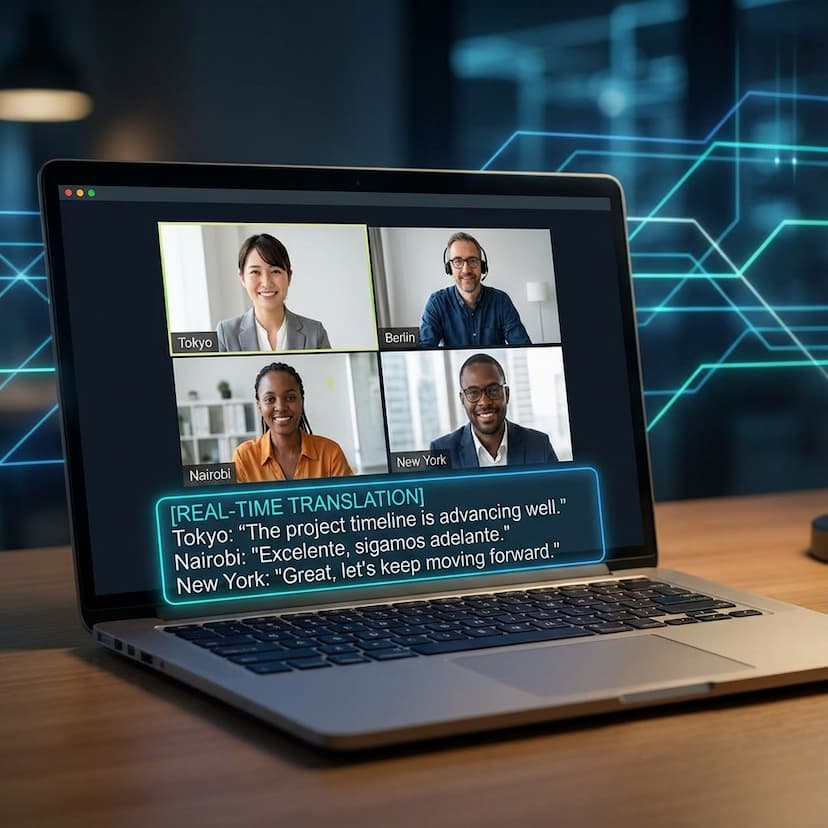
1. Business Meetings and Conferences
The Challenge:
Global businesses often struggle with multilingual meetings where participants speak different languages. Traditional interpreters are expensive, may not be available on short notice, and can introduce delays in communication.
How AI Voice Translation Solves It:
AI voice translation enables real-time or near-real-time translation of meeting recordings, allowing all participants to understand discussions in their native language. The technology preserves each speaker's voice characteristics, making the translated content feel more natural and authentic.
Real-World Example:
A multinational corporation holds quarterly board meetings with executives from 8 different countries. Instead of hiring multiple interpreters, they record the meetings and use AI voice translation to create versions in each executive's language. This approach:
• Reduces costs by 70% compared to live interpreters
• Ensures consistent translation quality
• Allows executives to review discussions at their convenience
• Preserves the original speakers' tone and emphasis
Best Practices:
• Record meetings in high-quality audio format
• Ensure speakers identify themselves before speaking
• Use noise-canceling microphones for better accuracy
• Provide translated versions within 24 hours for review
2. Educational Content Localization
The Challenge:
Educational institutions and online learning platforms want to reach global audiences but face the challenge of translating educational content while maintaining the instructor's teaching style and voice.
How AI Voice Translation Solves It:
By preserving the instructor's voice characteristics, AI translation allows educational content to be localized without losing the personal connection between teacher and student. The translated lectures sound like the original instructor speaking in the target language.
Real-World Example:
An online coding bootcamp with a popular instructor wants to expand to Spanish-speaking markets. Instead of hiring a new Spanish instructor or using generic voiceovers, they use AI voice translation to create Spanish versions of all courses. Results:
• Student engagement increased by 45% compared to generic voiceovers
• Course completion rates improved
• Students report feeling more connected to the instructor
• Expansion costs reduced by 60%
Best Practices:
• Maintain original course structure and pacing
• Include cultural adaptations where necessary
• Test translated content with native speakers
• Update translations as course content evolves
3. Podcast and Audio Content Creation
The Challenge:
Podcast creators want to reach international audiences but face significant barriers: re-recording in multiple languages is time-consuming and expensive, while generic translations lose the host's personality and connection with listeners.
How AI Voice Translation Solves It:
Podcast creators can translate their episodes into multiple languages while maintaining their unique voice and style. This allows them to build a global audience without the need for multiple hosts or extensive re-recording.
Real-World Example:
A technology podcast with 50,000 English listeners wants to expand to Chinese and Spanish markets. Using AI voice translation:
• They create Chinese and Spanish versions of each episode
• Listeners in new markets report feeling like the host is speaking directly to them
• Podcast downloads increased by 200%
• Ad revenue tripled due to expanded audience
• Production time increased by only 20% (mostly for review)
Best Practices:
• Translate popular episodes first to test market response
• Maintain original episode structure and timing
• Consider cultural references and adapt when necessary
• Promote translated versions on relevant platforms
4. Customer Service and Support
The Challenge:
Companies serving international customers need to provide support in multiple languages. Hiring multilingual support staff is expensive, and outsourcing can lead to inconsistent service quality.
How AI Voice Translation Solves It:
Customer service calls can be translated in real-time or recorded calls can be translated for review. This ensures consistent service quality across all languages while maintaining the support agent's professional voice and tone.
Real-World Example:
A SaaS company receives support calls in 12 different languages. They implement AI voice translation to:
• Translate recorded support calls for quality assurance
• Create training materials in multiple languages
• Ensure consistent messaging across all languages
• Reduce support costs by 40% while improving quality
Best Practices:
• Train support agents on using translation tools
• Maintain a knowledge base in multiple languages
• Review translated calls for quality assurance
• Use translation for training and consistency
5. Video Content and YouTube Channels
The Challenge:
Video creators want to reach global audiences but face the challenge of creating multilingual versions. Traditional dubbing is expensive and time-consuming, while subtitles don't capture the full experience.
How AI Voice Translation Solves It:
Video creators can create multilingual audio tracks that preserve the original speaker's voice characteristics. This provides a more immersive experience than subtitles while being more cost-effective than traditional dubbing.
Real-World Example:
A YouTube channel with 1 million subscribers creates educational videos. To expand globally, they use AI voice translation:
• Create audio tracks in 5 major languages
• Viewers can choose their preferred language
• Watch time increased by 150%
• Subscriber growth accelerated in new markets
• Revenue increased due to expanded audience
Best Practices:
• Maintain video editing and pacing
• Sync translated audio with video content
• Offer multiple language options
• Promote multilingual versions in video descriptions
6. Legal and Medical Documentation
The Challenge:
Legal and medical professionals need accurate translations of recorded consultations, depositions, or medical histories. These translations must be precise and maintain the original speaker's tone and emphasis for context.
How AI Voice Translation Solves It:
While AI translation should be reviewed by professionals, it provides an initial translation that preserves important vocal cues, tone, and emphasis that might be lost in text-only translation.
Real-World Example:
A law firm handles international cases requiring translation of witness depositions. Using AI voice translation:
• Initial translations are completed 10x faster
• Important vocal cues are preserved
• Professional translators can focus on accuracy review
• Costs reduced while maintaining quality
Best Practices:
• Always have professional review for legal/medical content
• Maintain original recordings for verification
• Document translation process for legal compliance
• Use translation as a starting point, not final product
7. Social Media and Live Streaming
The Challenge:
Content creators want to engage with international audiences during live streams, but language barriers limit interaction. Real-time translation can help bridge this gap.
How AI Voice Translation Solves It:
While real-time translation is still evolving, recorded live streams can be translated and republished, allowing creators to reach broader audiences with their content.
Real-World Example:
A gaming streamer with a large following wants to engage with international fans. They:
• Record live streams
• Translate highlights into multiple languages
• Republish translated versions
• Engage with fans in their native languages
• Subscriber base grew by 300%
Best Practices:
• Focus on translating high-engagement content
• Maintain original stream energy and personality
• Engage with comments in multiple languages
• Create a content calendar for translated releases
8. Training and Corporate Learning
The Challenge:
Multinational corporations need to train employees across different regions and languages. Creating training materials in multiple languages is expensive and time-consuming.
How AI Voice Translation Solves It:
Training videos and materials can be translated while preserving the trainer's voice and teaching style, ensuring consistent training quality across all regions.
Real-World Example:
A global retail chain needs to train store managers in 15 countries. They use AI voice translation to:
• Translate training videos from headquarters
• Maintain consistent training standards
• Reduce training material creation costs by 70%
• Ensure all managers receive the same quality training
Best Practices:
• Maintain original training structure
• Adapt examples to local contexts when needed
• Test translated materials with local teams
• Update translations as training evolves
9. News and Media Production
The Challenge:
News organizations want to reach international audiences but face the challenge of translating news content quickly while maintaining the reporter's voice and credibility.
How AI Voice Translation Solves It:
News segments can be translated rapidly while preserving the reporter's voice characteristics, allowing news organizations to reach global audiences faster and more cost-effectively.
Real-World Example:
An independent news channel wants to expand internationally. They use AI voice translation to:
• Translate daily news segments into 3 languages
• Maintain reporter credibility and voice
• Reach new audiences quickly
• Reduce production costs by 50%
Best Practices:
• Ensure accuracy through professional review
• Maintain journalistic standards
• Adapt cultural references appropriately
• Verify facts in translated content
10. Personal Communication and Accessibility
The Challenge:
Individuals need to communicate with friends, family, or colleagues who speak different languages. Language barriers can limit personal and professional relationships.
How AI Voice Translation Solves It:
Personal voice messages can be translated while maintaining the sender's voice and emotion, making cross-language communication more personal and authentic.
Real-World Example:
A person wants to send voice messages to family members who speak different languages. Using AI voice translation:
• Personal messages feel more authentic
• Emotional connection is maintained
• Communication barriers are reduced
• Family relationships are strengthened
Best Practices:
• Use for personal, non-critical communication
• Review important messages before sending
• Maintain personal touch and emotion
• Respect cultural differences
Choosing the Right Use Case
When deciding whether AI voice translation is right for your needs, consider:
Content Type:
• Is your content suitable for voice translation?
• Does it require professional review?
• Is accuracy critical?
Budget and Resources:
• What's your translation budget?
• Do you have resources for quality review?
• What's the ROI of translation?
Target Audience:
• Who is your target audience?
• What languages do they speak?
• What are their expectations?
Quality Requirements:
• What level of accuracy is needed?
• Is professional review required?
• How important is voice preservation?
Conclusion
AI voice translation technology offers powerful solutions for breaking down language barriers across numerous industries and use cases. From business meetings to personal communication, the ability to translate speech while preserving voice characteristics opens up new possibilities for global communication.
The key to success is choosing the right use case for your needs, understanding the technology's capabilities and limitations, and implementing best practices to ensure quality results.
At VoiceOver Speech, we provide professional AI voice translation services that help businesses and individuals communicate across languages while preserving their unique voice characteristics. Try our service today and discover how AI voice translation can transform your multilingual communication.
Key Takeaways:
• AI voice translation has 10+ major use cases
• Each use case has specific requirements and best practices
• Voice preservation is crucial for authentic communication
• Professional review may be needed for critical content
• ROI varies by use case and implementation