The Future of AI Speech Translation Technology
Explore the future trends and developments in AI speech translation technology. Learn about upcoming innovations, potential applications, and how the technology will evolve to transform multilingual communication.
The field of AI speech translation is advancing at an unprecedented pace. What seemed like science fiction just a few years ago is now becoming reality, and the future promises even more remarkable developments. In this comprehensive exploration, we'll examine the emerging trends, technological breakthroughs, and potential applications that will shape the future of AI speech translation.
Current State and Foundation
Where We Are Today
Current Capabilities:
• Real-time or near-real-time translation for many language pairs
• Voice preservation across languages
• Support for 9+ major languages
• High accuracy for clear audio
• Emotion and tone preservation
Current Limitations:
• Requires good audio quality
• May struggle with heavy accents or dialects
• Processing time increases with audio length
• Some languages have better support than others
• Cultural nuances may not always be captured perfectly
Emerging Technologies
1. Advanced Neural Architectures
Transformer Evolution:
• Next-generation transformer models with improved attention mechanisms
• More efficient architectures reducing computational requirements
• Better context understanding across longer sequences
• Improved handling of rare languages and dialects
Multimodal Learning:
• Integration of visual cues (lip reading, facial expressions)
• Context from video content to improve translation
• Better understanding of speaker intent
• Enhanced emotion and tone detection
2. Real-Time Processing Improvements
Streaming Translation:
• True real-time translation with minimal latency
• Incremental processing as speech is generated
• Adaptive quality based on network conditions
• Seamless integration with video conferencing platforms
Edge Computing:
• On-device processing for privacy and speed
• Reduced dependency on cloud infrastructure
• Lower latency for real-time applications
• Better offline capabilities
3. Enhanced Voice Preservation
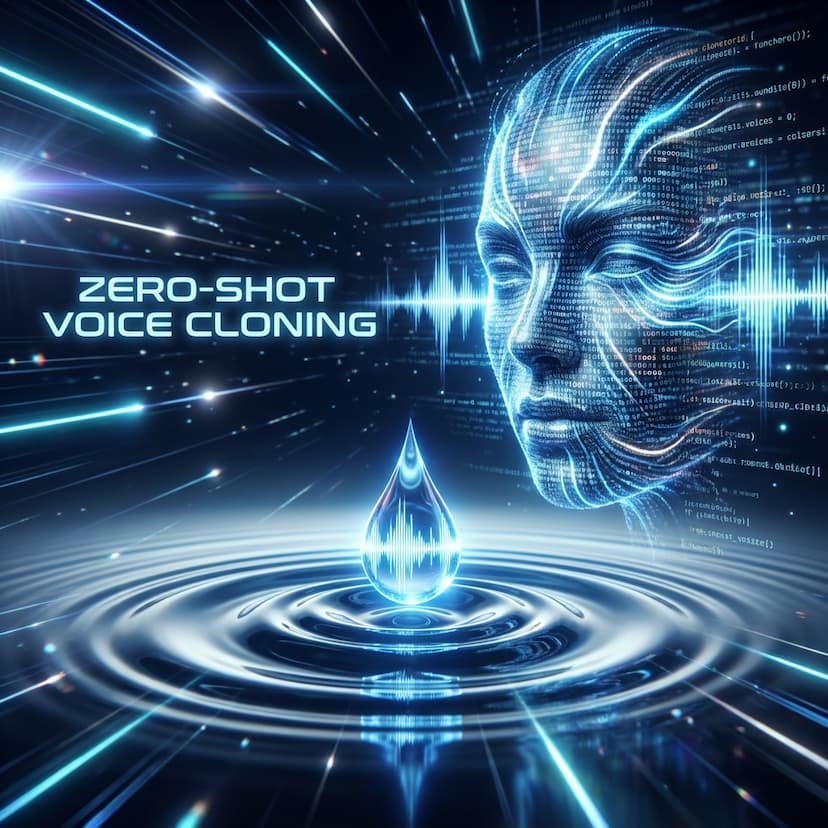
Zero-Shot Voice Cloning:
• Preserve voices with minimal training data
• Better voice characteristic extraction
• More accurate emotion and tone transfer
• Support for more diverse voice types
Emotional Intelligence:
• Better detection and preservation of emotions
• Understanding of subtle emotional nuances
• Context-aware emotion preservation
• Cultural emotion adaptation
Future Applications
1. Seamless Global Communication
Universal Translator Devices:
• Wearable devices for real-time translation
• Integration with AR/VR for immersive experiences
• Smart glasses with translation capabilities
• Instant translation in any situation
Business Communication:
• Real-time translation in video conferences
• Automatic transcription and translation of meetings
• Multilingual collaboration platforms
• Seamless international business operations
2. Enhanced Content Creation
Live Streaming Translation:
• Real-time translation of live streams
• Multiple language tracks simultaneously
• Interactive multilingual streaming
• Global audience engagement
Automated Content Localization:
• Automatic translation and localization of content
• Cultural adaptation algorithms
• Multi-version content creation
• Scalable content distribution
3. Educational Transformation
Personalized Learning:
• Customized learning experiences in any language
• Real-time translation of educational content
• Preservation of instructor's teaching style
• Accessible education for all languages
Global Knowledge Sharing:
• Break down language barriers in education
• Share knowledge across cultures
• Preserve teaching personalities
• Enable global learning communities
4. Healthcare and Accessibility
Medical Communication:
• Real-time translation for patient-doctor communication
• Preserve doctor's reassuring tone
• Multilingual medical documentation
• Improved healthcare access globally
Accessibility Services:
• Real-time translation for hearing impaired
• Multilingual accessibility tools
• Voice-preserved communication aids
• Inclusive communication solutions
Technological Breakthroughs on the Horizon
1. Quantum Computing Integration
Potential Impact:
• Exponentially faster processing
• Complex pattern recognition
• Simultaneous multi-language processing
• Real-time translation of multiple speakers
2. Advanced AI Models
Large Language Models (LLMs):
• Better context understanding
• Improved translation accuracy
• Cultural nuance handling
• Domain-specific adaptations
Specialized Models:
• Industry-specific translation models
• Technical domain expertise
• Legal and medical specialization
• Creative content optimization
3. Improved Data Efficiency
Few-Shot Learning:
• Translation with minimal training data
• Rapid adaptation to new languages
• Better handling of low-resource languages
• Faster model deployment
Transfer Learning:
• Knowledge transfer between languages
• Faster model training
• Better performance on related languages
• Reduced data requirements
Challenges and Solutions
Challenge 1: Language Coverage
Current State:
• Limited support for many languages
• Quality varies by language pair
• Some languages have minimal resources
Future Solutions:
• Improved few-shot learning
• Better data collection methods
• Community-driven language support
• Transfer learning from related languages
Challenge 2: Cultural Nuances
Current State:
• Cultural context may be lost
• Idioms and expressions challenging
• Cultural appropriateness varies
Future Solutions:
• Cultural awareness training for models
• Local expert integration
• Context-aware translation
• Cultural adaptation algorithms
Challenge 3: Real-Time Performance
Current State:
• Some latency in processing
• Quality vs. speed trade-offs
• Network dependency
Future Solutions:
• Edge computing integration
• Optimized model architectures
• Streaming processing
• Hardware acceleration
Industry Trends
Market Growth
Projected Growth:
• Speech translation market expected to grow 20%+ annually
• Increasing adoption across industries
• Growing demand for multilingual content
• Expansion into new markets
Integration Trends
Platform Integration:
• Built-in translation in major platforms
• Seamless user experiences
• API-first approaches
• Developer-friendly tools
Industry Adoption:
• Education sector leading adoption
• Business communication tools
• Content creation platforms
• Customer service applications
Ethical Considerations
Privacy and Security
Future Concerns:
• Data privacy in translation
• Voice data protection
• Secure processing
• User consent and control
Solutions:
• On-device processing options
• Encrypted transmission
• User data control
• Transparent privacy policies
Authenticity and Misuse
Concerns:
• Deepfake potential
• Misrepresentation risks
• Authenticity verification
• Ethical use guidelines
Solutions:
• Authentication mechanisms
• Watermarking and verification
• Ethical use policies
• User education
Predictions for the Next Decade
Short-Term (1-3 Years)
• Real-time translation becomes standard
• Support for 50+ languages
• Improved voice preservation quality
• Better mobile integration
• Enhanced accuracy for all language pairs
Medium-Term (3-5 Years)
• Universal translator devices
• Seamless AR/VR integration
• Advanced emotion preservation
• Industry-specific specializations
• Global adoption in education
Long-Term (5-10 Years)
• Near-perfect translation accuracy
• Support for all major languages
• Real-time multi-speaker translation
• Complete cultural adaptation
• Ubiquitous translation technology
Preparing for the Future
For Businesses
Strategic Planning:
• Invest in translation infrastructure
• Train teams on new capabilities
• Plan for multilingual operations
• Stay updated on technology trends
For Content Creators
Adaptation Strategies:
• Learn about translation tools
• Plan for multilingual content
• Understand voice preservation
• Prepare for global audiences
For Educators
Integration Approaches:
• Explore translation for courses
• Plan for multilingual learning
• Understand technology capabilities
• Prepare for global education
Conclusion
The future of AI speech translation is incredibly promising. We're moving toward a world where language barriers become increasingly irrelevant, where authentic communication across cultures becomes seamless, and where technology enhances rather than replaces human connection.
The key to success in this evolving landscape is staying informed, adapting to new technologies, and understanding both the capabilities and limitations of AI translation. As the technology continues to advance, those who embrace it early will have significant advantages in reaching global audiences and building international connections.
At VoiceOver Speech, we're committed to staying at the forefront of these developments, continuously improving our technology, and helping our users communicate effectively across languages while preserving their unique voices. Join us on this journey and experience the future of multilingual communication today.
Key Takeaways:
• AI speech translation is advancing rapidly
• Real-time, high-quality translation is becoming reality
• Voice preservation will become even more sophisticated
• New applications will transform industries
• Ethical considerations will be increasingly important
• Early adoption provides competitive advantages